Knowing which type of land you own or have a dispute over is crucial to knowing how to proceed in the case of a sale or dispute. The classification of your land comes along with differing sets of rights, requirements, and procedures available to you.
American Samoa has three different classifications of land:
(1) communal land,
(2) individually-owned land, and
(3) freehold land.
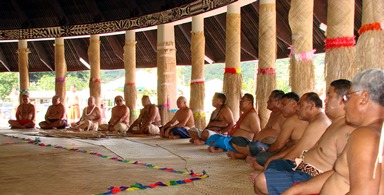
Communal land is owned by an extended family or aiga and subject to the pule (authority or control) of the sa’o the senior matai holding a registered ali’i, or High Chief title.
Communal land can be either registered or unregistered. Registered communal lands have a registered “certificate of registration” with the American Samoa Territorial Registrar’s Office. Unregistered communal lands are controlled by families that maintain their possession based on fa’asamoa traditions and recognition by the respective village and district chiefs.
A presumption exists in American Samoa that all land is communally-owned land. This presumption can be overcome through a showing that the land has been registered as individually-owned or freehold land.
Communal land cannot be bought or sold except through a specific process that requires approval by the Land Commission and approval by the Governor of American Samoa.
Individually-owned land is land that is owned in fee simple and title can be transferred, but can only be bought or transferred to individuals who have at least 50% Samoan blood. This requirement is also known as the “blood quantum requirement.”
Freehold land are lands that had title adjudicated under the jurisdiction of the Samoan Land Commission established by the Tripartite (United States, Germany, and United Kingdom) government of Samoa prior to the year 1900. In order for land to be considered freehold, it must have a “Court Grant” issued by the Supreme Court of Samoa in Apia registered in the American Samoa Territorial Registrar’s book of Court Grants. Freehold lands can by sold to anyone regardless of any blood quantum restrictions.
Questions? If you have questions about how to etermine what type of land you own or have a dispute over, please contact an experienced American Samoa Land & Titles attorney.